Effective Chinese teaching methods do more than help learners understand lessons; they also enable students to gradually improve their ability to use Chinese in real-life situations. So, what makes a Chinese teaching method effective? Let’s explore the answer with Ni Hao Ma!
7 Effective Chinese Teaching Methods
There is no single teaching method that works for every student. Depending on learners’ proficiency levels, learning abilities and individual needs, teachers can explore the following seven effective Chinese teaching methods and combine them to make lessons easier to understand and more engaging.
1. Communicative Language Teaching (CLT)
Communicative Language Teaching (CLT) is an approach to foreign language instruction that focuses on developing learners’ communicative competence. Rather than spending most of the lesson explaining vocabulary and grammar, teachers encourage students to actively use Chinese through question-and-answer activities, conversations, and discussions.

How to implement CLT in the classroom:
- Organize pair work or small-group conversation activities.
- Ask open-ended questions to encourage students to respond in Chinese.
- Create familiar communication scenarios, such as greetings, self-introductions, shopping and asking for directions.
- Encourage students to express their opinions using the vocabulary and sentence structures they have learned.
- Provide feedback and correct mistakes after activities so students can learn from them without being interrupted while speaking.
2. Task-Based Language Teaching (TBLT)
Task-Based Language Teaching (TBLT) is an instructional approach that structures lessons around specific tasks students must complete using Chinese. Instead of simply practicing individual sentence structures, learners apply their vocabulary, grammar and communication skills together to accomplish a given objective.
How to implement TBLT in the classroom:
- Choose tasks that match students’ proficiency levels and lesson objectives.
- Introduce the necessary vocabulary, sentence patterns, and grammatical structures.
- Divide students into groups to complete the assigned tasks.
- Encourage students to communicate in Chinese while discussing ideas and solving problems.
- Evaluate the results, provide feedback on language use, and review the key knowledge covered in the lesson.
3. Visual Teaching with Images, Audio, and Videos
Visual teaching uses images, audio recordings, videos, and real-life objects to support the learning process. This approach is particularly useful for beginners and students who have difficulty remembering vocabulary and Chinese characters.
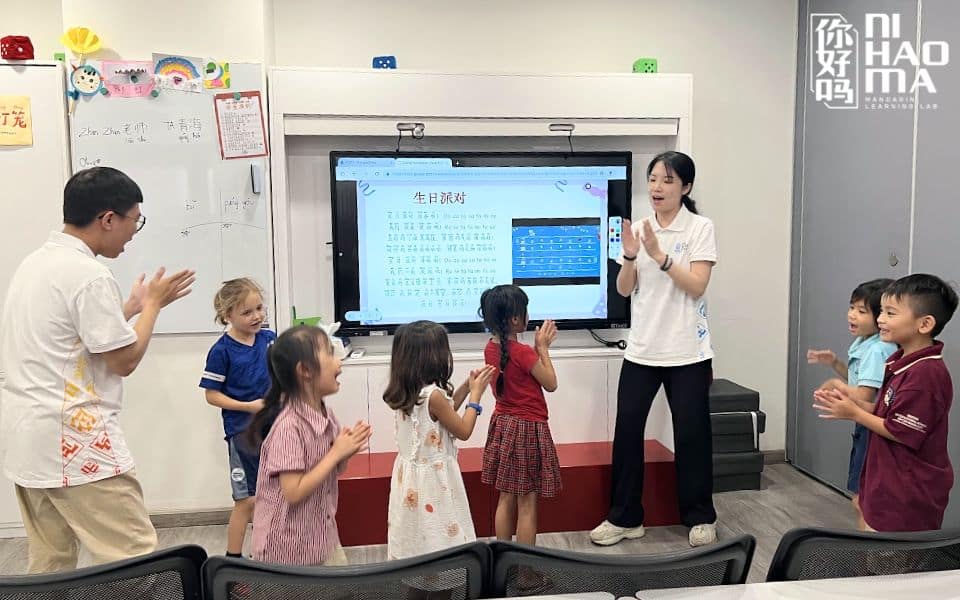
How to implement visual teaching:
- Use illustrative images when introducing new vocabulary.
- Combine Chinese characters, Pinyin, and English meanings in presentation materials.
- Show conversational videos so students can observe language in context and learn natural expressions.
- Play audio recordings to help students practice listening and recognize Chinese sounds.
- Use mind maps to organize vocabulary and grammar knowledge systematically.
4. Teaching Vocabulary Through Topics and Context
Vocabulary is an essential foundation for developing Chinese language proficiency. However, if students are only asked to memorize individual words, they may quickly forget their meanings and struggle to use them in actual conversations.
Therefore, teaching vocabulary through topics and contextual situations is an approach that should be incorporated regularly. Teachers should help students understand word meanings, common word combinations, and appropriate usage rather than simply asking them to memorize written characters.
Practical examples of implementation:
- Group vocabulary into familiar topics such as family, school, work, food, and travel.
- Introduce new words through pictures, real-life situations, or short dialogues.
- Guide students in combining vocabulary into phrases and complete sentences.
- Ask students to create their own sentences using newly learned words.
- Organize regular review activities to reinforce previously learned vocabulary.
5. Spaced Repetition
Spaced Repetition is a learning technique that involves reviewing information at carefully planned intervals rather than trying to memorize everything in one sitting. This approach is based on the principle that actively recalling information multiple times over a period of time can help strengthen long-term memory.
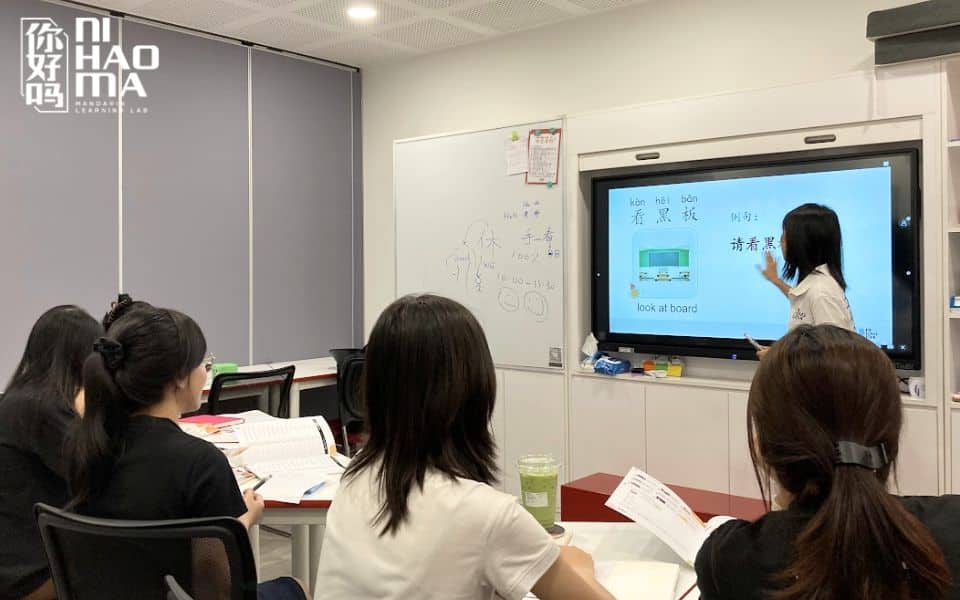
For Chinese learners, this method is particularly useful when memorizing large amounts of vocabulary, Chinese characters, and grammatical structures. Teachers can combine spaced repetition with flashcards, short quizzes, and practical exercises to improve knowledge retention.
Example: During the first lesson, teachers can introduce Pinyin pronunciation, Chinese character recognition, and English meanings. In subsequent lessons, teachers can organize review and application activities to help students retain what they have learned over the long term.
6. Game-Based Learning
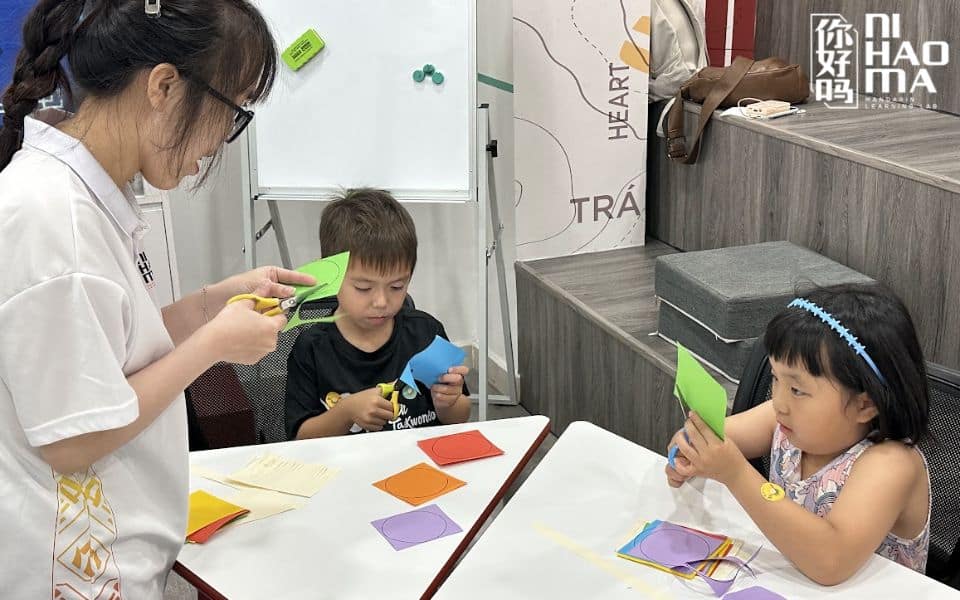
Game-Based Learning is an instructional approach that uses entertaining activities to introduce and reinforce language knowledge. This effective Chinese teaching method creates a relaxed and enjoyable learning environment, making it particularly suitable for children, beginners, and classrooms that need more student interaction.
Examples of classroom games and activities:
- Organize vocabulary guessing games using pictures or Chinese-language clues.
- Use flashcards to help students match Chinese characters with their Pinyin and English meanings.
- Hold quick sentence-building competitions using newly learned vocabulary.
- Divide students into teams and organize competitions to practice listening and answering questions.
- Use crossword puzzles or Bingo games to review lesson content at the end of each class.
7. Blended Learning
Blended Learning is an educational model that combines traditional face-to-face instruction with online learning. Rather than limiting knowledge acquisition to classroom hours, students can continue practicing, reviewing lessons, and interacting with teachers through digital learning platforms.

The most common Blended Learning models include:
- Flipped Classroom: Instead of listening to theoretical lectures in class and completing exercises at home, students watch lesson videos and study theoretical materials before class. Classroom time is then dedicated to discussions, practical exercises, problem-solving, and guided practice with teachers.
- Rotation Model: During a lesson or course, students rotate between different learning stations according to a fixed schedule. These stations may include independent online learning on computers, collaborative group activities, and one-on-one instruction with teachers.
- Flex Model: Most learning content is delivered online through digital platforms. Teachers primarily act as facilitators, providing individual guidance and face-to-face support whenever students need assistance.
How to Choose the Right Chinese Teaching Methods
Every student has a different knowledge background, learning objective, and learning pace. Therefore, in addition to understanding various teaching approaches, teachers need to know how to select and adapt activities to suit different proficiency levels.
For Beginners
At this stage, students need to build a foundation in Pinyin, Chinese tones, vocabulary, and basic sentence structures. Teachers should prioritize visual teaching, listening and pronunciation practice, and topic-based vocabulary instruction. Activities should be simple and come with clear instructions to prevent learners from feeling overwhelmed.
For Elementary-Level Learners
Once students have established a basic foundation, they need more opportunities to apply their knowledge. Teachers can combine Communicative Language Teaching, situational learning and practical task-based activities.
Topics such as shopping, dining, asking for directions and introducing oneself provide learners with more opportunities to practice using Chinese in everyday situations.
For Intermediate and Advanced Learners
At these levels, teachers should incorporate more discussions, presentations, and problem-solving activities conducted in Chinese. Authentic learning materials, such as news articles, videos, written content and social topics, can also be used to expand vocabulary and improve students’ ability to express themselves.
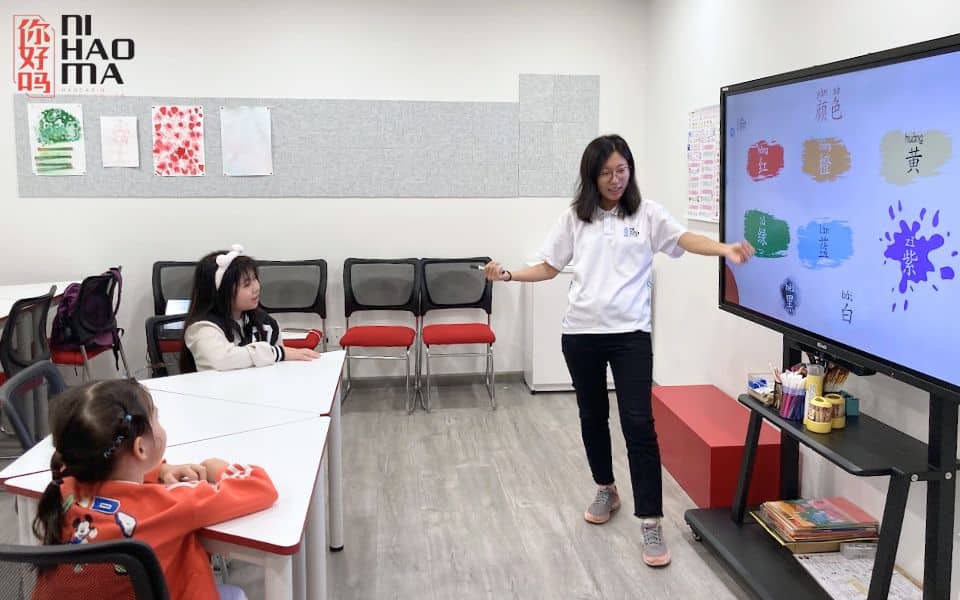
Overall, flexibly combining different teaching methods at each stage can make the learning process more effective while helping students develop all four Chinese language skills: listening, speaking, reading and writing.
Common Mistakes to Avoid When Teaching Chinese
Even when teachers choose appropriate teaching methods, they may still encounter difficulties if lessons are not organized effectively. Here are some of the most common mistakes to avoid when teaching Chinese.
Focusing Too Much on Theory and Grammar
Spending too much time explaining grammatical structures without providing opportunities for practice makes it difficult for students to apply what they have learned.
Teachers should balance theoretical explanations with sentence-building exercises, conversations, and situational activities to help students use Chinese more confidently.
Teaching Too Much Vocabulary in One Lesson
Introducing an excessive amount of new vocabulary can make it difficult for students to remember what they have learned, causing them to forget new words quickly.
Rather than focusing on quantity, teachers should prioritize essential vocabulary, explain how to use each word, and allocate sufficient time for review and practice.
Neglecting Pronunciation Correction
Pronunciation and tones directly affect students’ ability to communicate in Chinese. Teachers should regularly assess students’ pronunciation, identify common mistakes, and guide them in making corrections from the early stages of learning.
Separating Language Learning from Local Culture
Language is closely connected to cultural norms and social interactions. Without an understanding of the cultural context, students may communicate in Chinese based solely on English cultural thinking.
This can result in unnatural expressions or awkward communication. Therefore, teachers should incorporate relevant cultural explanations to help learners understand how Chinese is used in different social situations.
Failing to Assess Learning Progress Regularly
Without regular assessments and feedback, teachers may find it difficult to identify the challenges students are facing.
Short quizzes, practical activities, and periodic feedback can help teachers evaluate learning progress and adjust their teaching methods in a timely manner to meet students’ needs.
FAQ about Chinese teaching method
Teachers can use English to explain complex concepts, clarify grammatical differences, or help beginners understand lessons. However, they should avoid relying too heavily on English. As students’ proficiency improves, teachers should gradually increase the use of Chinese to create a natural language immersion environment.
Yes. In smaller classes, teachers can more easily identify individual students’ weaknesses and provide targeted support. In contrast, overcrowded classes often force teachers to adopt a one-size-fits-all approach, making it easier for struggling students to develop knowledge gaps and fall behind.
Yes. Game-Based Learning is not only suitable for children but can also be highly effective for adult learners. Teachers can organize activities such as guessing words from pictures, timed sentence-building challenges, vocabulary Bingo, or group conversation challenges. These activities create a relaxed learning atmosphere, increase interaction, and encourage students to actively use Chinese.
For beginners, teachers should prioritize visual, engaging, and student-centered teaching methods. Learning activities should be simple and come with clear instructions, allowing students to build a solid foundation without feeling overwhelmed by too much information.
Teachers should conduct regular assessments and provide ongoing feedback rather than waiting until the end of the course. Through short quizzes at the beginning of lessons and in-class communication practice, teachers can identify individual knowledge gaps early and adjust their teaching methods accordingly.
Conclusion
To achieve effective Chinese language instruction, teachers need more than just strong subject knowledge. They must also select appropriate activities and teaching strategies for different types of learners. By flexibly combining various effective Chinese teaching methods, teachers can make lessons more engaging, easier to understand, and more practical.
If you are looking for a structured learning environment with effective Chinese teaching methods, Ni Hao Ma may be the learning center you are looking for. Contact us through our hotline today to receive consultation about our training programs, take a placement test, and get a personalized Chinese learning roadmap!