
Mastering common Chinese radicals is a crucial foundation for improving Hanzi reading comprehension. Radical 15 in Chinese appears in many modern Chinese vocabulary items, from textbooks to everyday texts. In this article, we’ll explore what radical 15 in Chinese means, how to write it correctly, and some common vocabulary that contains this radical.
What Is Radical 15 in Chinese?
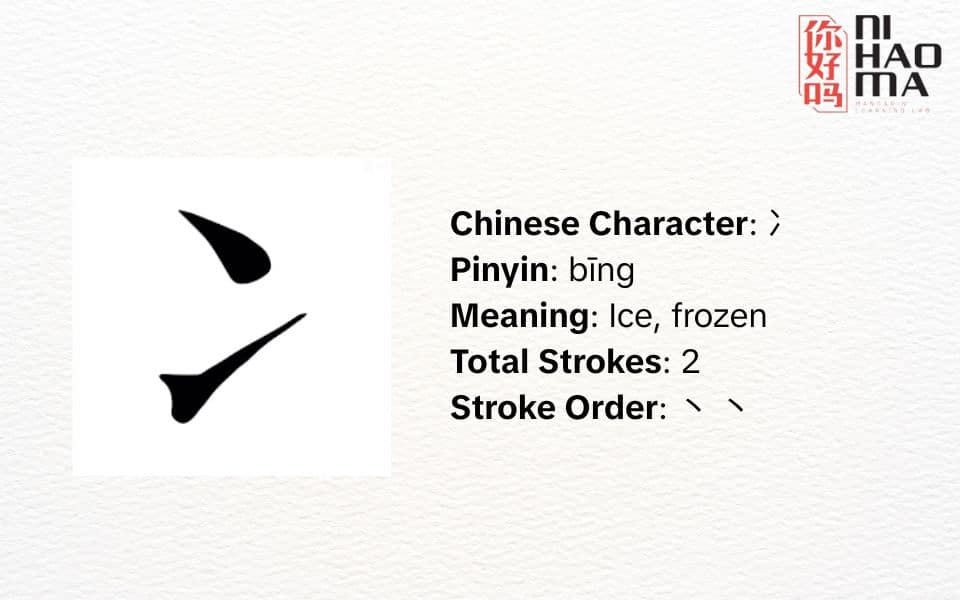
Radical 15 in Chinese is written as 冫 and pronounced bīng. It is the 15th radical among the 214 traditional Chinese radicals and originates from the character 冰 (ice). This radical most commonly appears on the left side of Chinese characters and is used to form characters related to ice and cold conditions.
In terms of core meaning, radical 15 in Chinese represents concepts associated with ice, coldness, freezing, or states affected by low temperatures. When it appears within a character, it often serves as a semantic hint, helping learners infer the general meaning of that character.
Although it does not form as many characters as some other radicals, radical 15 in Chinese appears quite frequently in modern Chinese learning materials and everyday vocabulary. For this reason, it is an essential radical for beginners and intermediate learners to master, as it supports more effective character recognition and memorization.
How to Write Radical 15 in Chinese
In written form, radical 15 in Chinese is represented by the character 冫. It has a very simple structure consisting of only two strokes. When used within a character, this radical almost always appears on the left side and functions as a structural component of the character.
The stroke order follows standard Chinese writing principles—top to bottom, left to right:
- Stroke 1: Write a small dot at the top, slightly slanted to the left.
- Stroke 2: Write a second dot below, slightly longer than the first and positioned a bit to the right to clearly separate the two strokes.
Distinguishing Radical 15 in Chinese from the Water Radical
Learners often confuse radical 15 in Chinese (冫) with the water radical (水 / 氵) because they look similar and are both related to natural phenomena. However, these two radicals differ clearly in form, position, usage scope, and function in character formation.
In terms of appearance, radical 15 in Chinese has the simplified form 冫, consisting of two strokes that resemble two vertical dots. The water radical, when used as a radical, usually appears as 氵 and contains three strokes. Simply counting the strokes can help learners distinguish between the two with confidence.
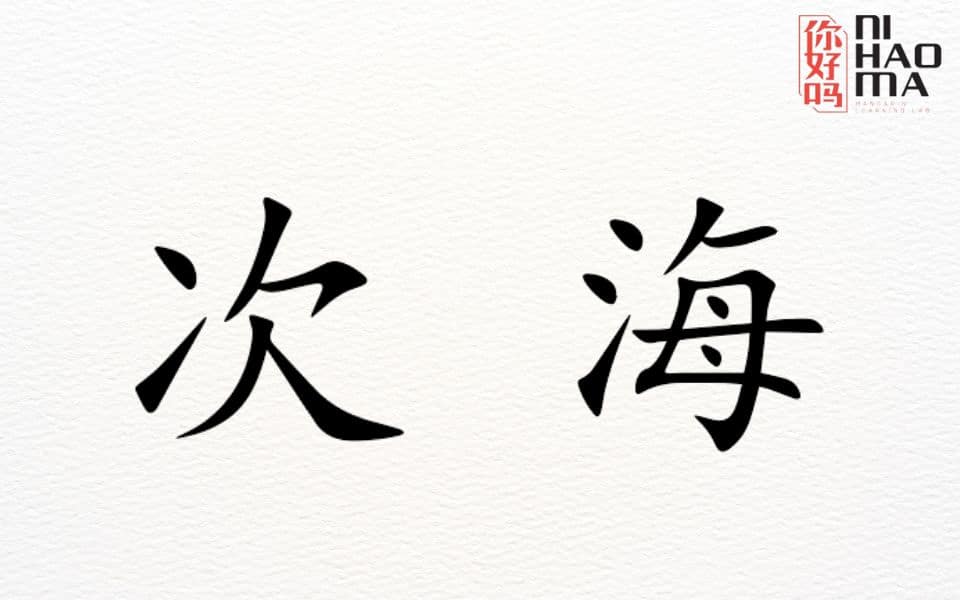
In terms of meaning, the water radical has a broader semantic range, commonly appearing in characters related to water, liquids, flowing motion, or water-related activities in daily life. In contrast, radical 15 in Chinese has a narrower focus, mainly referring to water in its frozen state or phenomena associated with cold temperatures.
Vocabulary Containing Radical 15 in Chinese
Vocabulary that includes radical 15 in Chinese frequently appears in basic textbooks and real-life texts, and these characters are generally easy to recognize structurally. Learning vocabulary grouped by the same radical not only helps learners remember character forms more quickly but also enhances their ability to guess meanings and improve reading comprehension when encountering new words.
Below are some common vocabulary items that contain radical 15 in Chinese, which you will often encounter in everyday conversations:
| Chinese Character | Pinyin | Meaning |
|---|---|---|
| 冰 | bīng | ice |
| 冷 | lěng | cold |
| 冻 | dòng | to freeze |
| 凉 | liáng | cool |
| 准 | zhǔn | accurate, standard |
| 凌 | líng | to surpass, to encroach |
| 决 | jué | to decide |
| 次 | cì | time, occurrence |
| 冰水 | bīng shuǐ | iced water |
| 冰块 | bīng kuài | ice cube |
| 冰箱 | bīng xiāng | refrigerator |
| 冰冷 | bīng lěng | freezing cold |
| 冰雪 | bīng xuě | ice and snow |
| 冰面 | bīng miàn | icy surface |
| 冷水 | lěng shuǐ | cold water |
| 冷静 | lěng jìng | calm, composed |
| 冷淡 | lěng dàn | indifferent, cold |
| 冷门 | lěng mén | unpopular, niche |
| 冻伤 | dòng shāng | frostbite |
| 冻住 | dòng zhù | to be frozen |
| 冻结 | dòng jié | to freeze, solidify |
| 凉水 | liáng shuǐ | cool water |
| 凉快 | liáng kuai | pleasantly cool |
| 凉风 | liáng fēng | cool breeze |
| 凉鞋 | liáng xié | sandals |
| 凉爽 | liáng shuǎng | refreshingly cool |
| 准备 | zhǔn bèi | to prepare |
| 准时 | zhǔn shí | on time |
| 准确 | zhǔn què | accurate |
| 凌晨 | líng chén | early morning (before dawn) |
| 凌乱 | líng luàn | messy, disorganized |
| 决定 | jué dìng | to decide |
| 干净 | gān jìng | clean |
| 减肥 | jiǎn féi | to lose weight |
| 情况 | qíng kuàng | situation |
| 解决 | jiě jué | to solve |
| 减价 | jiǎn jià | to reduce the price |
| 标准 | biāo zhǔn | standard |
| 凋谢 | diāo xiè | to wither |
| 凝聚 | níng jù | to凝聚, to condense |
| 凄惨 | qī cǎn | miserable |
| 决战 | jué zhàn | decisive battle |
| 凄凉 | qī liáng | desolate, bleak |
| 凑巧 | còu qiǎo | coincidentally |
| 冰淇淋 | bīng qí lín | ice cream |
Sample Dialogues Using Vocabulary with Radical 15 in Chinese
To remember and apply vocabulary containing radical 15 in Chinese effectively, placing words into real-life dialogue contexts is one of the most effective learning methods. Through longer conversations, learners can better understand word usage, sentence structures, and nuances commonly used in daily communication.
Dialogue 1
A: 最近天气越来越冷了。
Zuìjìn tiānqì yuè lái yuè lěng le.
The weather has been getting colder lately.
B: 对啊,冷空气一来,早上特别冷。
Duì a, lěng kōngqì yì lái, zǎoshang tèbié lěng.
Exactly. When the cold air arrives, mornings become especially cold.
A: 我今天出门的时候,手都冻住了。
Wǒ jīntiān chūmén de shíhou, shǒu dōu dòng zhù le.
When I went out this morning, my hands almost froze.
B: 那你应该多穿一点,天气真的很冰冷。
Nà nǐ yīnggāi duō chuān yìdiǎn, tiānqì zhēn de hěn bīnglěng.
Then you should wear more clothes—the weather is really freezing.
A: 是啊,这种天气我只想待在家里。
Shì a, zhè zhǒng tiānqì wǒ zhǐ xiǎng dāi zài jiālǐ.
Yeah, in this kind of weather I just want to stay at home.

Dialogue 2
A: 你看菜单了吗?要不要点饮料?
Nǐ kàn càidān le ma? Yào bú yào diǎn yǐnliào?
Have you looked at the menu? Do you want to order a drink?
B: 有点想喝冰饮料,但是今天挺冷的。
Yǒudiǎn xiǎng hē bīng yǐnliào, dànshì jīntiān tǐng lěng de.
I kind of want an iced drink, but it’s quite cold today.
A: 哈哈,这种天气喝冰咖啡不会太冷吗?
Hāhā, zhè zhǒng tiānqì hē bīng kāfēi bú huì tài lěng ma?
Haha, isn’t iced coffee too cold in this weather?
B: 没关系,我已经习惯了。
Méiguānxi, wǒ yǐjīng xíguàn le.
It’s okay—I’m used to it.
A: 那我还是点一杯热的吧。
Nà wǒ háishi diǎn yì bēi rè de ba.
Then I’ll order a hot drink instead.

Dialogue 3
A: 你觉得新来的同事怎么样?
Nǐ juéde xīn lái de tóngshì zěnmeyàng?
What do you think of the new colleague?
B: 他给我的感觉有点冷淡。
Tā gěi wǒ de gǎnjué yǒudiǎn lěngdàn.
He gives me a rather indifferent impression.
A: 是吗?我觉得他只是比较冷静。
Shì ma? Wǒ juéde tā zhǐshì bǐjiào lěngjìng.
Really? I think he’s just quite calm.
B: 可能吧,他说话不多。
Kěnéng ba, tā shuōhuà bù duō.
Maybe. He doesn’t talk much.
A: 熟了以后应该就不一样了。
Shú le yǐhòu yīnggāi jiù bù yíyàng le.
He’ll probably be different once you get to know him better.
Conclusion
This article from Ni Hao Ma has explained what radical 15 in Chinese means, how it is written, and introduced common vocabulary along with practical examples. Mastering the concept, stroke form, and vocabulary related to radical 15 in Chinese can help learners memorize characters more easily and significantly improve reading comprehension and daily communication skills.
We hope this guide has provided you with useful insights – stay tuned for more engaging and helpful Chinese learning content!