
For beginners learning Chinese, getting familiar with radicals can feel challenging at first. Radical 69 is one of the simpler and more recognizable radicals, with very practical applications in everyday life. In this article, let’s explore radical 69, its meaning, structure, and commonly used characters to help you learn Chinese more effectively.
What Is Radical 69 in Chinese?
In the system of 214 Chinese radicals, radical 69 (斤) holds position number 69. It appears frequently in common characters related to weight, measurement, cutting, and physical properties of objects.
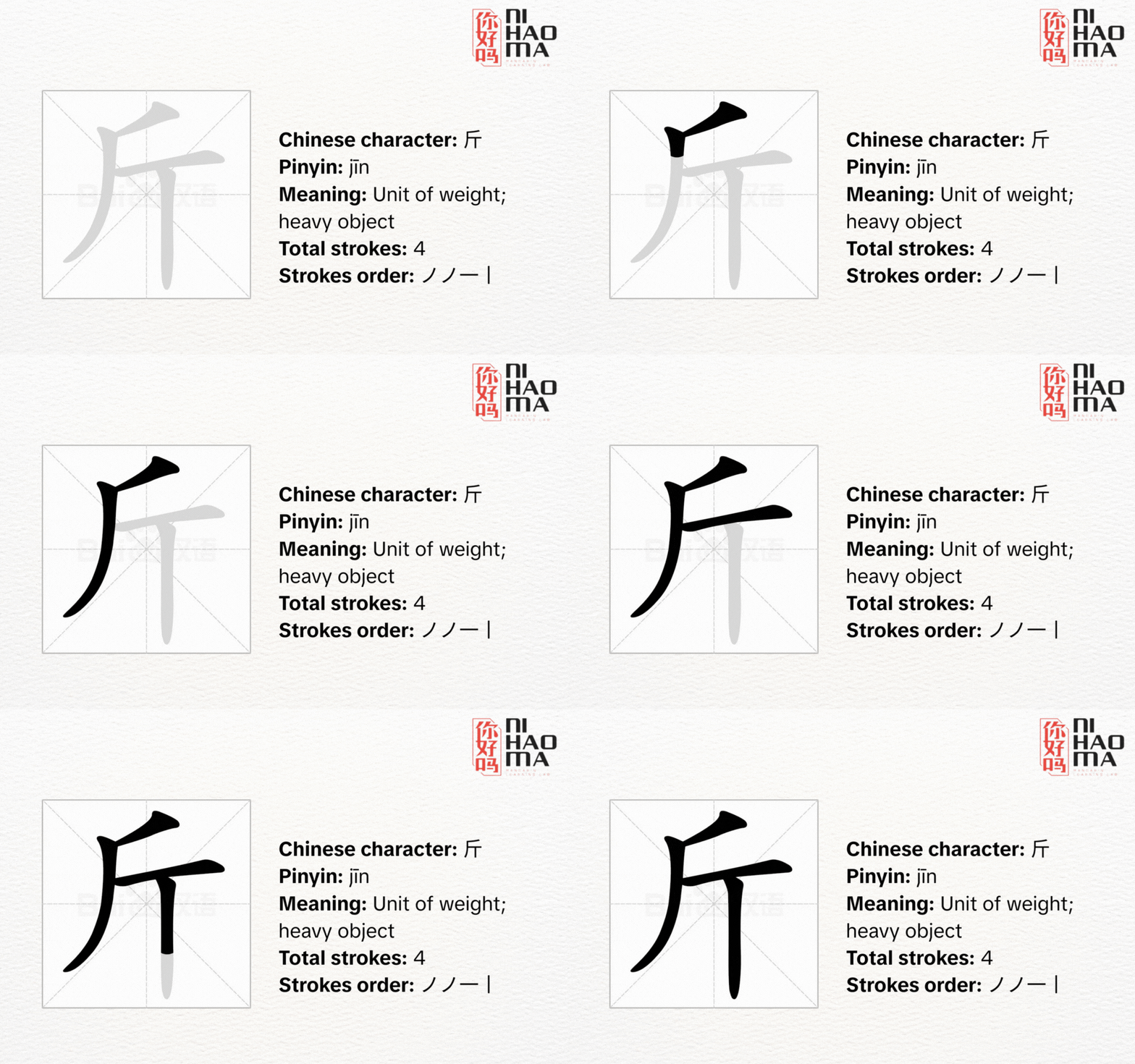
Radical 69 (斤 – jīn) is considered a basic and high-frequency radical in Chinese characters. When it appears in a character, it often suggests a connection to units of weight, heavy objects, or measuring tools, reflecting its original meaning. Understanding radical 69 can help learners guess meanings more quickly and expand vocabulary more efficiently.
- Chinese character: 斤
- Pinyin: jīn
- Core meaning: Unit of weight; heavy object
- Number of strokes: 4
- Stroke order: ノ ノ 一 丨
How to Write Radical 69
Radical 69 consists of four basic strokes, written in the following order:
| Stroke Order | Stroke Name | Description |
|---|---|---|
| 1 | Left-falling stroke (ノ) | A short left-slanted stroke at the top |
| 2 | Left-falling stroke (ノ) | A longer left-slanted stroke downward |
| 3 | Horizontal stroke (一) | A horizontal line starting from the middle |
| 4 | Vertical stroke (丨) | A vertical line cutting through the horizontal stroke |
Read More: Chinese Basic Strokes And Strokes Order
The Position of Radical 69 in Chinese Characters
In some cases, radical 69 (斤) functions as a complete character on its own, meaning “a unit of weight” in Chinese. When combined with other components to form compound characters, radical 69 most commonly appears on the right side, serving as a semantic indicator related to weight, cutting, division, or physical action.
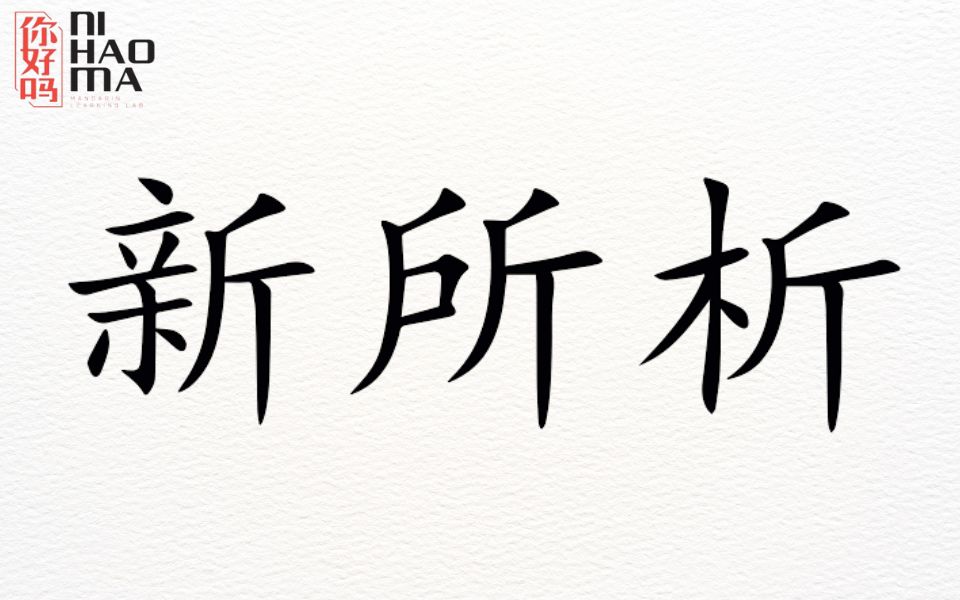
Examples:
- 近 (jìn) – near
- 斩 (zhǎn) – to chop, slash
- 断 (duàn) – to break, cut off
When combined with other radicals, radical 69 generally keeps its original shape and has fewer variations compared to some other radicals. However, its strokes may be written more compactly to fit the overall structure of the character.
Common Vocabulary Containing Radical 69 in Chinese
Radical 69 plays an important role in forming many Chinese characters related to measurement, sharp tools, and strong physical actions. Because of its clear meaning and high frequency, characters containing radical 69 often appear in everyday communication, news, and academic contexts. Below is a list of commonly used vocabulary that includes radical 69, along with their meanings.
| Chinese Character | Pinyin | Meaning |
|---|---|---|
| 斤 | jīn | a unit of weight |
| 公斤 | gōngjīn | kilogram |
| 近 | jìn | near |
| 新 | xīn | new |
| 断 | duàn | to break; to cut off |
| 斩 | zhǎn | to chop; to slash |
| 折 | zhé | to break; to bend |
| 所 | suǒ | place; location |
| 斯 | sī | this; thus |
| 哲 | zhé | philosophy; wise |
| 斧 | fǔ | axe |
| 斥 | chì | to scold; to reprimand |
| 斩断 | zhǎn duàn | to cut off completely |
| 斤斤 | jīn jīn | overly meticulous; to quibble |
| 折断 | zhé duàn | to snap; to break apart |
| 新鲜 | xīn xiān | fresh |
| 附近 | fù jìn | nearby |
| 靠近 | kào jìn | to approach; to get close to |
| 更新 | gēng xīn | to update |
| 革新 | gé xīn | to reform; to innovate |
| 断开 | duàn kāi | to disconnect |
| 断电 | duàn diàn | power outage |
| 所以 | suǒ yǐ | therefore |
| 所有 | suǒ yǒu | all; everything |
| 思想 | sī xiǎng | thought; ideology |
| 哲学 | zhé xué | philosophy |
| 折磨 | zhé mó | to torment |
| 折扣 | zhé kòu | discount |
| 亲近 | qīn jìn | close; intimate |
| 新闻 | xīn wén | news |
| 近代 | jìn dài | modern times |
| 最近 | zuì jìn | recently |
| 分析 | fēn xī | to analyze |
| 斩杀 | zhǎn shā | to behead; to kill |
| 断绝 | duàn jué | to cut off completely |
| 折中 | zhé zhōng | compromise |
| 听力 | tīng lì | listening ability |
| 斤斗 | jīndǒu | somersault |
| 解析 | jiě xī | analysis; to explain |
| 斤两 | jīn liǎng | weight; measure |
| 斤斤 | jīn jīn | petty; nitpicky |
| 近视 | jìn shì | nearsighted |
| 断定 | duàn dìng | to conclude; to determine |
| 折返 | zhé fǎn | to turn back |
Sample Dialogues Using Radical 69 in Chinese
Understanding the meaning of radicals is one thing, but knowing how to use them naturally in real conversations is a completely different skill. Below, Ni Hao Ma shares several practical dialogues featuring vocabulary that contains radical 69, helping you apply what you’ve learned in everyday communication.
Dialogue 1
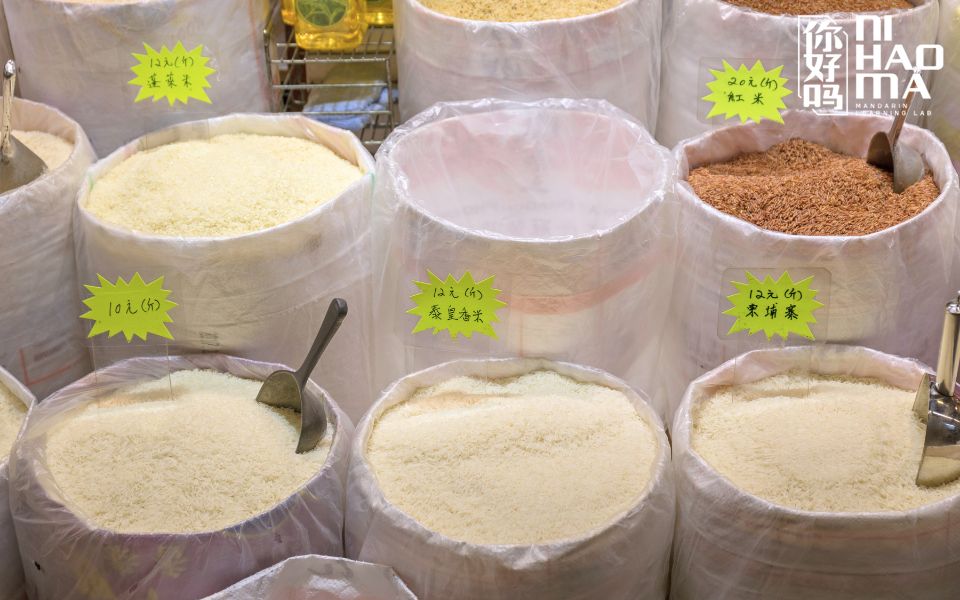
A: 这米怎么卖?
Zhè mǐ zěnme mài?
→ How is this rice sold?
B: 按斤算,每斤四块五。
Àn jīn suàn, měi jīn sì kuài wǔ.
→ It’s sold by weight, 4.5 yuan per jin.
A: 我要三斤,可以便宜一点吗?
Wǒ yào sān jīn, kěyǐ piányi yìdiǎn ma?
→ I’ll take three jin. Can you make it a bit cheaper?
B: 可以,给你算四块一斤。
Kěyǐ, gěi nǐ suàn sì kuài yì jīn.
→ Sure, I’ll charge you 4 yuan per jin.
A: 那太好了,谢谢。
Nà tài hǎo le, xièxie.
→ That’s great, thank you!
Dialogue 2
A: 你怎么坐得这么靠近电视?
Nǐ zěnme zuò de zhème kào jìn diànshì?
→ Why are you sitting so close to the TV?
B: 我有点近视,看远的东西不太清楚。
Wǒ yǒu diǎn jìnshì, kàn yuǎn de dōngxi bù tài qīngchu.
→ I’m a bit nearsighted. I can’t see things far away clearly.
A: 最近有去检查视力吗?
Zuìjìn yǒu qù jiǎnchá shìlì ma?
→ Have you had your eyesight checked recently?
B: 还没有,打算下周去。
Hái méiyǒu, dǎsuàn xià zhōu qù.
→ Not yet. I plan to go next week.
A: 那你要注意保护眼睛。
Nà nǐ yào zhùyì bǎohù yǎnjing.
→ Then you should take good care of your eyes.

Dialogue 3
A: 附近有新开的超市吗?
Fùjìn yǒu xīn kāi de chāoshì ma?
→ Is there a newly opened supermarket nearby?
B: 有的,就在这条路的尽头,很近。
Yǒu de, jiù zài zhè tiáo lù de jìntóu, hěn jìn.
→ Yes, it’s right at the end of this road—very close.
A: 最近你常去那家吗?
Zuìjìn nǐ cháng qù nà jiā ma?
→ Have you been going there often lately?
B: 是的,东西新鲜,价格也不错。
Shì de, dōngxi xīnxiān, jiàgé yě búcuò.
→ Yes, the products are fresh and the prices are good.
A: 那我过去看看。
Nà wǒ guòqù kànkan.
→ Then I’ll go check it out.
Conclusion
This article has provided a complete overview of radical 69 in Chinese, along with commonly used vocabulary and practical dialogue examples. By understanding the meaning of radical 69 and how it appears in Chinese characters, learners can memorize vocabulary more easily, infer meanings more accurately, and use Chinese more naturally in both daily communication and academic contexts.
We hope Ni Hao Ma has brought you useful and practical insights. Stay tuned for more articles exploring other Chinese radicals and helping you build a stronger foundation in Chinese learning.