Among the 214 Kangxi radicals, radical 57 in Chinese is one of the most historically significant components in Chinese characters. Although it may not be as common as radicals such as Person (亻), Water (氵), or Wood (木), it appears in many useful words that learners encounter in daily life. So, what does radical 57 mean, and why is it worth learning? Let’s explore it in detail with Ni Hao Ma!
What Is Radical 57 in Chinese?
In the traditional system of 214 Kangxi radicals, radical 57 (弓 – gōng) represents a bow, the ancient weapon used for hunting and warfare. This radical plays an important role in forming Chinese characters related to weapons, strength, tension, and curved shapes.
When you look closely at the character 弓, it resembles the shape of a bow standing upright. The curved outer stroke represents the body of the bow, while the horizontal stroke in the middle symbolizes the bowstring attached to it. This visual connection makes radical 57 one of the easier radicals to recognize and remember.
In Chinese culture, the bow carries meanings beyond its practical use as a weapon. A bow must be drawn tightly before an arrow can be released with force. As a result, many Chinese characters containing radical 57 are associated with concepts such as stretching, expansion, strength, power, or tension. For example, 张 (zhāng) means “to open” or “to stretch,” while 强 (qiáng) means “strong” or “powerful.”
Although the number of characters containing radical 57 is relatively small compared to some high-frequency radicals, these characters remain highly relevant in modern Chinese. They appear frequently in everyday conversations, literature, history, business communication, and even technology-related vocabulary.
How to Write Radical 57 in Chinese
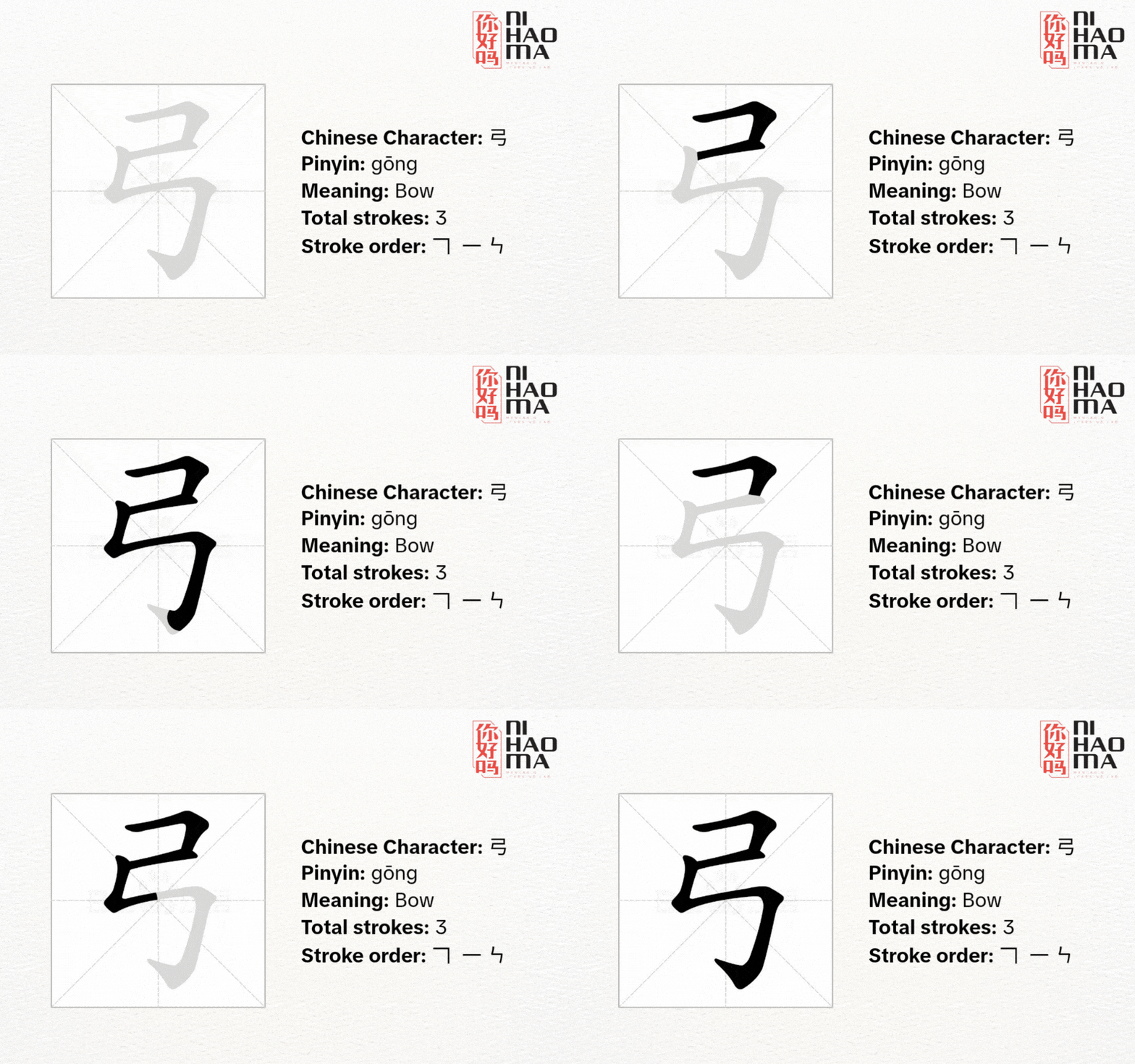
Radical 57 (弓) consists of three strokes. Learning the correct stroke order is essential for developing accurate handwriting and recognizing the radical in more complex characters.
| Stroke Order | Stroke | Description |
|---|---|---|
| 1 | 𠃍 | Write a horizontal stroke from left to right, then turn downward gently. |
| 2 | 一 | Write a short horizontal stroke from left to right, beginning near the end of stroke 1. |
| 3 | 𠄌 | Write a short vertical stroke, move right horizontally, then bend downward and finish with a slight hook. |
Common Vocabulary Containing Radical 57
Once you understand the meaning and structure of radical 57, the next step is applying it to vocabulary learning. Below are some frequently used Chinese words that contain this radical, ranging from beginner-level to more advanced vocabulary.
| Stroke Order | Stroke | Writing Description |
| 1 | 𠃍 (Horizontal Fold) | Write from left to right, then fold downward smoothly. |
| 2 | 一 (Horizontal) | Write a short horizontal line from left to right, starting from the end of the first stroke. |
| 3 | ㄣ (Horizontal Fold Hook) | Draw a short vertical line, move right, fold down, and finish with a slight upward hook. |
Essential Vocabulary with Radical 57 in Chinese
Once you have mastered the meaning and writing, the next step is applying Radical 57 to your vocabulary building. Here is a curated list of common characters and words featuring this radical, ranging from basic to advanced levels.
| Chinese | Pinyin | English Meaning |
| 弓 | gōng | Bow |
| 引 | yǐn | To lead / To draw / To attract |
| 张 | zhāng | To open / To stretch / Surname |
| 弟 | dì | Younger brother |
| 弹 | tán / dàn | To play (string) / Bullet |
| 强 | qiáng | Strong / Powerful |
| 弱 | ruò | Weak / Frail |
| 弯 | wān | Curved / Bend |
| 弥 | mí | To fill / Overflowing |
| 弦 | xián | String (musical/bow) |
| 弧 | hú | Arc / Curve |
| 弩 | nǔ | Crossbow |
| 弘 | hóng | Great / To expand |
| 弛 | chí | To relax / To loosen |
| 软弱 | ruǎnruò | Weak / Feeble |
| 弓箭 | gōngjiàn | Bow and arrow |
| 引导 | yǐndǎo | To guide / To lead |
| 引路 | yǐnlù | To show the way |
| 引证 | yǐnzhèng | To cite / To quote |
| 引进 | yǐnjìn | To introduce / To import |
| 引擎 | yǐnqíng | Engine |
| 引诱 | yǐnyòu | To entice / To tempt |
| 引荐 | yǐnjiàn | To recommend |
| 张力 | zhānglì | Tension |
| 张开 | zhāngkāi | To open wide |
| 张口 | zhāngkǒu | To open one’s mouth |
| 弱点 | ruòdiǎn | Weakness |
| 强壮 | qiángzhuàng | Strong / Robust |
| 强调 | qiángdiào | To emphasize / To stress |
| 强大 | qiángdà | Formidable / Powerful |
| 强化 | qiánghuà | To strengthen / Reinforce |
| 倔强 | juéjiàng | Stubborn / Unyielding |
| 自强 | zìqiáng | Self-improvement |
| 富强 | fùqiáng | Prosperous and strong |
| 勉强 | miǎnqiǎng | Reluctant / Forced |
| 开张 | kāizhāng | Open for business |
| 紧张 | jǐnzhāng | Nervous / Tense |
| 主张 | zhǔzhāng | To advocate / Viewpoint |
| 夸张 | kuāzhāng | To exaggerate |
| 炮弹 | pàodàn | Artillery shell |
| 弹性 | tánxìng | Elasticity / Flexibility |
| 弯曲 | wānqū | Winding / Curved |
Practical Dialogues Using Radical 57 Vocabulary
Learning vocabulary through context is one of the most effective ways to retain new words. By seeing how words containing Radical 57 are used in real-life situations, learners can develop a deeper understanding and improve their communication skills naturally.
Dialogue 1
A: 这个项目为什么会引起这么多人的关注?
Zhège xiàngmù wèishénme huì yǐnqǐ zhème duō rén de guānzhù?
Why has this project attracted so much attention?
B: 因为它能够帮助公司进一步扩张市场。
Yīnwèi tā nénggòu bāngzhù gōngsī jìnyíbù kuòzhāng shìchǎng.
Because it can help the company further expand its market.
A: 老板昨天也特别强调了这一点。
Lǎobǎn zuótiān yě tèbié qiángdiào le zhè yīdiǎn.
The boss also emphasized this point yesterday.
B: 对,所以大家都很重视。
Duì, suǒyǐ dàjiā dōu hěn zhòngshì.
Exactly, which is why everyone takes it seriously.
A: 希望项目能够顺利完成。
Xīwàng xiàngmù nénggòu shùnlì wánchéng.
Hopefully the project will be completed successfully.
Dialogue 2
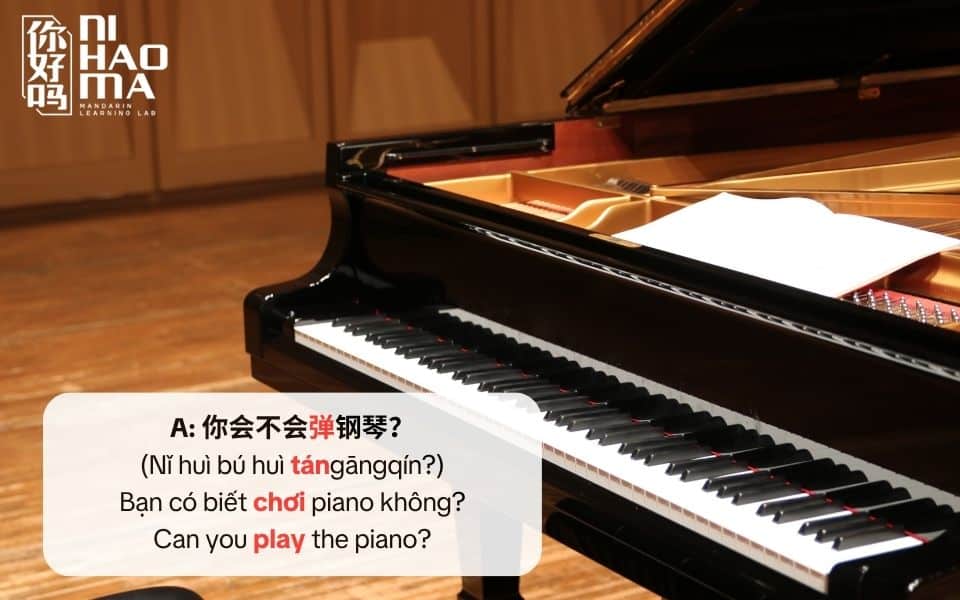
A: 你会不会弹钢琴?
Nǐ huì bú huì tán gāngqín?
Can you play the piano?
B: 会一点,我从小就学习音乐。
Huì yìdiǎn, wǒ cóngxiǎo jiù xuéxí yīnyuè.
A little. I’ve studied music since childhood.
A: 你最喜欢什么乐器?
Nǐ zuì xǐhuān shénme yuèqì?
What musical instrument do you like most?
B: 我最喜欢有弦的乐器。
Wǒ zuì xǐhuān yǒu xián de yuèqì.
I like string instruments the most.
A: 原来如此,难怪你弹得这么好。
Yuánlái rúcǐ, nánguài nǐ tán de zhème hǎo.
That explains why you play so well.
Dialogue 3
A: 你最近看起来有点紧张。
Nǐ zuìjìn kàn qǐlái yǒudiǎn jǐnzhāng.
You seem a little nervous lately.
B: 是啊,下周有一个重要考试。
Shì a, xià zhōu yǒu yí gè zhòngyào kǎoshì.
Yes, I have an important exam next week.
A: 你已经很努力了,不要担心。
Nǐ yǐjīng hěn nǔlì le, búyào dānxīn.
You’ve worked very hard already. Don’t worry.
B: 谢谢,希望能取得好成绩。
Xièxie, xīwàng néng qǔdé hǎo chéngjì.
Thank you. I hope I can get good results.
A: 加油,你一定会越来越强大。
Jiāyóu, nǐ yídìng huì yuèláiyuè qiángdà.
Keep it up. You’ll become stronger and stronger.
Conclusion
In this article, we explored Radical 57 in depth, including its origin, meaning, stroke order, vocabulary, and practical dialogues. While it may not appear as frequently as some other Chinese radicals, Radical 57 is still found in many essential words used in daily life, education, business, and communication.
To master Chinese characters more effectively, it is important to combine radical study with vocabulary building and real-life conversation practice. Understanding the logic behind radicals not only improves character recognition but also helps learners remember new words more efficiently.
If you are looking for a structured Chinese learning environment with a clear roadmap and comprehensive training in listening, speaking, reading, and writing, contact Ni Hao Ma today to find the course that best suits your learning goals.